

Spacers for Braces: What They Are and What to Expect
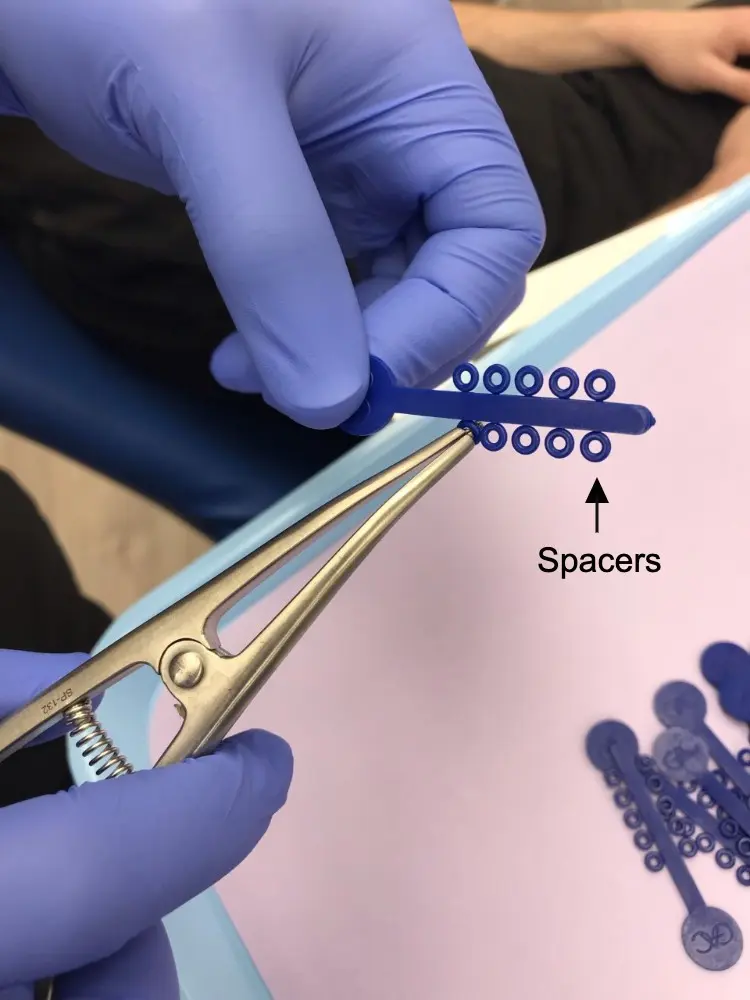
If your orthodontist has mentioned that you will need spacers before starting braces, you might be wondering what exactly they are and why they are necessary.
Orthodontic spacers are small devices placed between specific back teeth to create a small amount of room before metal bands are fitted.
This is a routine preparatory step in many braces treatment plans, and while spacers can cause some temporary discomfort, they play an important role in making sure your braces fit correctly from the very start. Here is everything you need to know before your spacer appointment.
What Are Orthodontic Spacers & How Do They Work?
Orthodontic spacers, sometimes called separators, are tiny devices placed between the back molars to gradually push them apart, creating enough space to fit metal bands around those teeth. Metal bands are used in certain types of braces systems to anchor the archwire, which applies pressure across all the teeth to guide them into their correct positions. Without the small gap that spacers create, bands cannot be placed securely.
Spacers are typically worn for about one to two weeks before full braces installation. During this time, they apply gentle, continuous pressure to slowly separate the teeth. Once the necessary space is created, the spacers are removed and the bands are fitted during the same appointment.
Not all patients will need spacers. Whether or not you require them depends on how much natural space exists between your back molars and the specific design of your treatment plan.
Types of Orthodontic Spacers
Rubber Spacers
Rubber spacers are small elastic loops, typically blue in color, that an orthodontist places between two adjacent molars using a small tool. They are the most common type used in modern orthodontics because of their flexibility and ease of placement. Rubber spacers work by stretching slightly when inserted and then contracting, applying ongoing pressure that gradually separates the teeth.
Most patients wear rubber spacers for one to two weeks before their band placement appointment. They are the preferred option in most standard braces treatment plans.
Metal Spacers
Metal spacers serve the same function as rubber spacers but are made from small rings of metal. They are generally reserved for cases where teeth are particularly tightly positioned or where a more robust separating force is needed. Metal spacers may also be used when rubber spacers are at higher risk of slipping out prematurely due to the tightness of the contact between teeth.
Like rubber spacers, metal separators are typically worn for one to two weeks. In some cases where more movement is needed, they may remain in place slightly longer.
Which one your orthodontist uses depends on your specific case and the treatment style of that provider. For most braces cases, rubber spacers will be used.
Get answers to all your braces questionsWhat Is the Purpose of Spacers for Braces?
The purpose of spacers is straightforward: to create enough room for metal bands to be placed securely around the molars. These bands serve as anchors for the archwire that connects all of the brackets in your braces system. If there is not enough space between the molars for a band to fit comfortably, it cannot be installed correctly, and this would affect the overall function and effectiveness of the braces.
Spacers also make the band placement process more comfortable. When teeth have been gently separated beforehand, fitting the bands at your next appointment is quicker and less forceful than trying to place them in a tight space.
Spacers are included as part of your braces treatment, so you don't need to worry about additional costs. The total cost of braces is about $1,700 to $6,000, depending on your specific case and where you seek treatment, and spacers are included in that price.
How Are Spacers Placed?
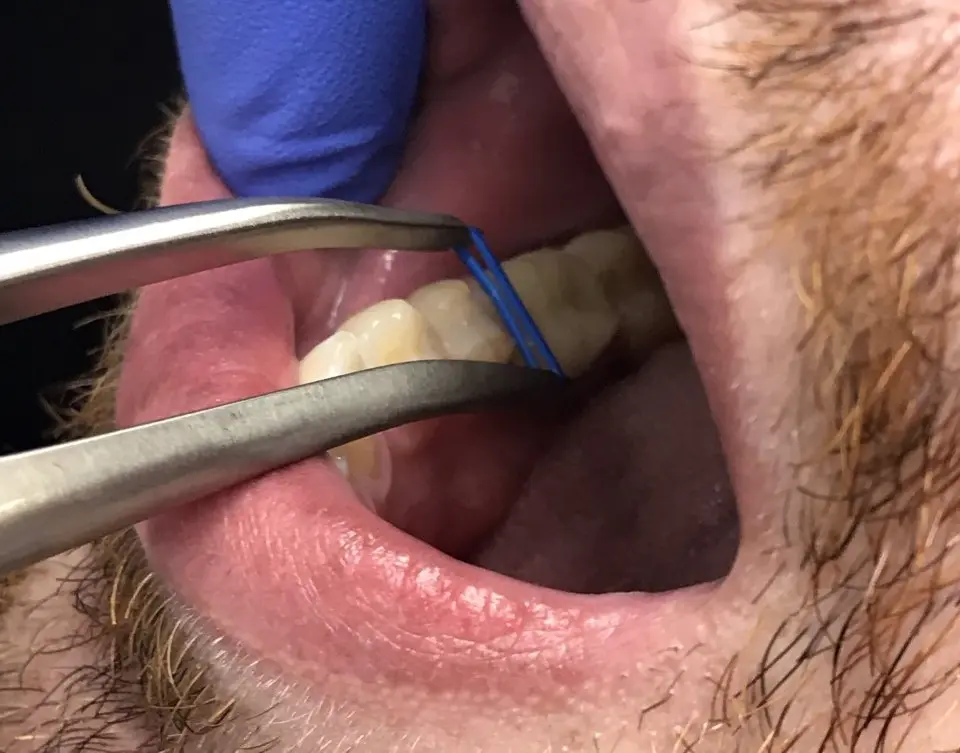
The placement process is quick and straightforward. Your orthodontist or an orthodontic assistant uses a small specialized tool to gently stretch the spacer and guide it between the contact points of two adjacent back teeth. The whole process usually takes just a few minutes.
You will likely feel some pressure or a sense of tightness immediately after placement. This is normal and means the spacers are beginning to work. The sensation is often described as being similar to having a piece of food stuck between your teeth. This feeling typically eases within a day or two as the teeth start to adjust.
What to Expect After Getting Spacers
During the one to two weeks while you wear spacers, it is normal to experience mild soreness, particularly in the first two to three days after placement. This is a sign that the spacers are doing their job and that the teeth are beginning to move apart.
To manage discomfort, over-the-counter pain relievers such as ibuprofen or acetaminophen can be helpful. Eating soft foods during this period is also recommended, as chewing hard or tough foods can be uncomfortable and may dislodge the spacers.
Avoid using toothpicks or dental floss between the teeth where spacers are placed, as this can pull them out of position. Gentle brushing around the spacers is fine and encouraged to maintain good oral hygiene during this phase.
If a spacer falls out before your next appointment, contact your orthodontic office. Depending on how much time remains before your band placement, the orthodontist may ask you to come in to have it replaced.
How to Care for Spacers
Caring for spacers is relatively simple, but a few habits will help keep them in place and functioning properly.
Eat soft foods and avoid anything hard, sticky, or chewy. Foods like caramel, chewing gum, bagels, raw carrots, and hard candies can dislodge spacers or make them uncomfortable. Stick to softer options like yogurt, pasta, soft fruits, eggs, and cooked vegetables.
Brush gently around the areas where spacers are placed. You do not need to floss between the spaced teeth during this period. If a spacer feels loose or falls out, call your orthodontist the same day for guidance.
How Much Do Spacers Cost?
Orthodontic spacers are not billed separately. They are included as part of the overall cost of braces treatment, which typically ranges from $3,000 to $6,000 or more depending on the complexity of the case, the type of braces selected, and the geographic location of the practice. Your orthodontist will provide a full breakdown of fees during your initial consultation, so you know exactly what is covered from the start.
Do You Need Spacers for Braces?
Not every patient will need spacers. Spacers are used specifically when metal bands are part of the treatment plan and when the space between the back teeth is too narrow to fit a band. Some patients naturally have sufficient space between their molars, making spacers unnecessary. Others may be treated with systems that do not require metal bands at all, such as Invisalign, and will not need spacers for that reason.
Your orthodontist will assess your teeth at your initial appointment and let you know whether spacers are part of your plan and what to expect at each stage of treatment. To learn more about the overall braces process and what to expect from start to finish, visit our braces treatment page.
Not everyone will need spacers: some people ??s teeth naturally have enough space between them to put on the metal bands, but most patients ?? teeth are naturally close together and will require spacers if metal bands are used for their treatment.
Frequently Asked Questions About Spacers for Braces
How painful are spacers for braces?
Most patients experience mild soreness or a feeling of pressure rather than sharp pain, particularly in the first two to three days after placement. The discomfort is manageable with over-the-counter pain relievers and usually fades quickly as the teeth adjust.
How long do spacers stay in before braces?
Spacers are typically worn for one to two weeks before your band placement appointment. In some cases where more space is needed, they may remain slightly longer.
What should I avoid eating with spacers?
Avoid hard, sticky, or chewy foods. These include gum, caramel, hard candy, raw vegetables, and anything that requires significant biting force between the back teeth. Soft foods are recommended throughout the spacer period.
What happens at the appointment when spacers are removed?
Your orthodontist will check that enough space has been created, then gently remove the spacers and fit metal bands around your molars. In most cases, the brackets and archwire are also placed at this appointment, marking the official start of your active braces treatment.
Does everyone who gets braces need spacers?
No. Spacers are only needed when the treatment plan includes metal bands and when the molars are too close together for those bands to be placed directly. Patients with naturally spaced molars, or those using certain brace systems that do not require bands, may not need them at all.
Read More On Braces
Can You Eat Cereal With Braces?
Cereal has been a breakfast staple for decades. Many of us enjoy a nice bowl of our favorite cereals to eat for breakfast. However, if you have braces, you may be wondering if you can enjoy your favorite cereal.
Read More About Eat Cereal With BracesHow Long Do You Need to Wear Braces?
Braces are worn for anywhere between 12 and 36 months. The average is about 24 months, but treatment lengths differ depending on your specific case and the type of treatment.
Read More About Wear Braces
Snacks to Eat With Braces
Looking for a braces-friendly snack while you finish work or watch your favorite TV show? There are a wide variety of braces-friendly snacks, perfect for patients with all sorts of tastes.
Read More About Snacks Eat With Braces
What Are Partial Braces? Cost, Pros & Cons, And Common Questions
Some patients may not have severe malocclusions, but they could still have minor bite issues that warrant correction.
Read More About Partial Braces
Can My Teeth Really Relapse After Wearing Braces? What Happens When My Teeth Start to Relapse?
If you’re a former braces wearer, then you might be disappointed to see those successful results beginning to wane.
Read More About Teeth Relapse After Wearing Braces
Can You Eat Gummies With Braces?
Braces wearers and those of you with a sweet tooth should brace yourselves: you're not going to like what you read here. No, you cannot eat gummy candy with braces.
Read More About Eat Gummies With Braces
Can You Eat Peanut Butter With Braces?
Peanut butter is a staple food in many diets across the world as one of the most versatile foods available.
Read More About Eat Peanut Butter With Braces
What Can You Not Eat With Braces?
One of the best ways to prevent delays in your braces treatment is to watch what you eat.
Read More About Not Eat With Braces
Affordable Braces Near You in Stamford, CT
You’ll find the best orthodontists providing affordable braces treatment at Diamond Braces in Stamford, CT! We proudly serve Stamford, Darien, Norwalk, New Canaan, Greenwich, Westport, Wilton, and more – and have been creating Diamond smiles for over 20 years.
Read More About Braces Near You in Stamford, CT
Braces for the Whole Family in Rego Park, Queens
Looking for an affordable, effective braces solution for your family? Great news: you can find it right in your neighborhood in Queens!
Read More About Bracesin Rego Park, QueensStraight Teeth Isn’t The Only Benefit of Having Braces
When most people think about getting braces, the first thing that comes to mind is straighter teeth. What they don’t realize is all of the health benefits that come along with orthodontic treatment.
Read More About Benefit of Having Braces
Food Related FAQ on Braces
Navigating Orthodontic Cuisine - Your Comprehensive Guide to Eating Right, Maintaining Oral Health, and Embracing Delicious Meals While Embarking on Your Journey to a Straighter Smile.
Read More About Food Related FAQ
Age Related FAQ on Braces
Navigating Orthodontic Transformation at Any Age: A Comprehensive Guide to Age-Related FAQs About Braces.
Read More About Age Related FAQ
Purchasing Related FAQ on Braces
Are you considering braces as a solution to straighten your teeth and achieve a confident smile? This comprehensive guide provides answers to frequently asked questions related to purchasing braces, ensuring that you have the information you need to make an informed decision about your orthodontic journey.
Read More About Purchasing Related FAQ
Discover the Best Braces Options at Diamond Braces in NYC
The cost of traditional metal braces starts at $3,600. This price includes labor and materials.
Read More About Discover the Best Braces Options
Revamp Your Smile with Diamond Braces: Adult Options
The cost of braces for adults can fluctuate widely. This variation is due to factors such as the type of braces chosen and the complexity of the individual’s dental condition.
Read More About Revamp Your Smile with Diamond Braces
Flexible Payment Plans for Braces: Tailored to Your Needs
We offer braces payment plans starting at $89 per month for 24 months. These plans come with 0% interest loans.
Read More About Flexible Payment Plans for Braces
Affordable Adult Braces: Tips for Pregnancy & Savings
In the realm of oral health, the prospect of wearing braces as an adult often comes with the assumption that the costs won’t be fully covered.
Read More About Tips for Pregnancy
Braces for All Ages: Perfect Smile at Any Age
At Diamond Braces, we believe everyone deserves a straight smile. Our first step is an orthodontic evaluation. This helps us understand your needs and plan your treatment.
Read More About Braces for All Ages
Metal, Ceramic, and Lingual Braces: Premium-Grade Materials for Premium-Grade Smiles
Spacers are generally used for a week or two before braces treatment, to create small gaps between certain teeth.
Read More About Metal, Ceramic, and Lingual Braces
Complete Guide to Braces De-Bonding & Retention Phase
Once your orthodontic treatment is complete, your misaligned teeth are corrected, and your teeth are straightened, it’s time for the day everyone looks forward to: the removal of braces, or de-bonding.
Read More About Guide to Braces De-Bonding
Affordable Braces, Flexible Payments: Transform Your Smile
At our dental clinic, we believe that everyone deserves a beautiful smile. We understand that financial constraints can often pose a challenge.
Read More About Affordable Braces, Flexible Payments
Alleviating Braces Pain: Soft Foods and Home Remedies
If you’re experiencing discomfort from your braces, certain foods can help. Initially, stick to soft foods. This will ease the adjustment period for your teeth.
Read More About Alleviating Braces Pain
Understanding Veneers Cost, Lifespan, and Disadvantages
When comparing the cost of dental veneers and braces, veneers often have a lower initial cost.
Read More About Understanding Veneers Cost
Fun and Festive Braces Color Combinations for Every Occasion
Color combinations can indeed be fun and exciting, especially in representing seasons or sports teams.
Read More About Braces Color Combinations
How Braces Will Make You Happy: A Guide by Diamond Braces
At Diamond Braces, we hold a firm belief: a beautiful smile equates to a happy smile.
Read More About How Braces Will Make You Happy
How Much Are Braces at Diamond Braces?
Interested in knowing the cost of braces? You're not alone; it's a common concern for those considering orthodontic treatment.
Read More About How Much Are Braces
How Much Are Braces? Unveiling Costs with Diamond Braces
Deciding to pursue a perfect smile with braces is a significant step. At Diamond Braces, we recognize the importance of understanding the costs involved.
Read More About How Much Are Braces? Unveiling Costs
Navigating Braces: What You Can & Can't Eat
Braces pain relief with ice cream: Ice cream is a great solution for braces pain relief.
Read More About What You Can & Can't Eat
Managing Discomfort: Spacers for Braces and Care Tips
Orthodontists use braces spacers to create space between teeth. This space is necessary for the orthodontic appliance, specifically the molar bands.
Read More About Managing Discomfort
The Joy of Eating
Imagine biting into a crisp apple, chewing a piece of steak, or enjoying corn on the cob without any difficulty.
Read More About The Joy of Eating
Dealing with Tooth Discomfort and Sores During Braces
Experiencing pain or soreness as your teeth move to their correct positions is normal.
Read More About Dealing with Tooth Discomfort