

Can You Wear Aligners with Cavities? FAQ Guide
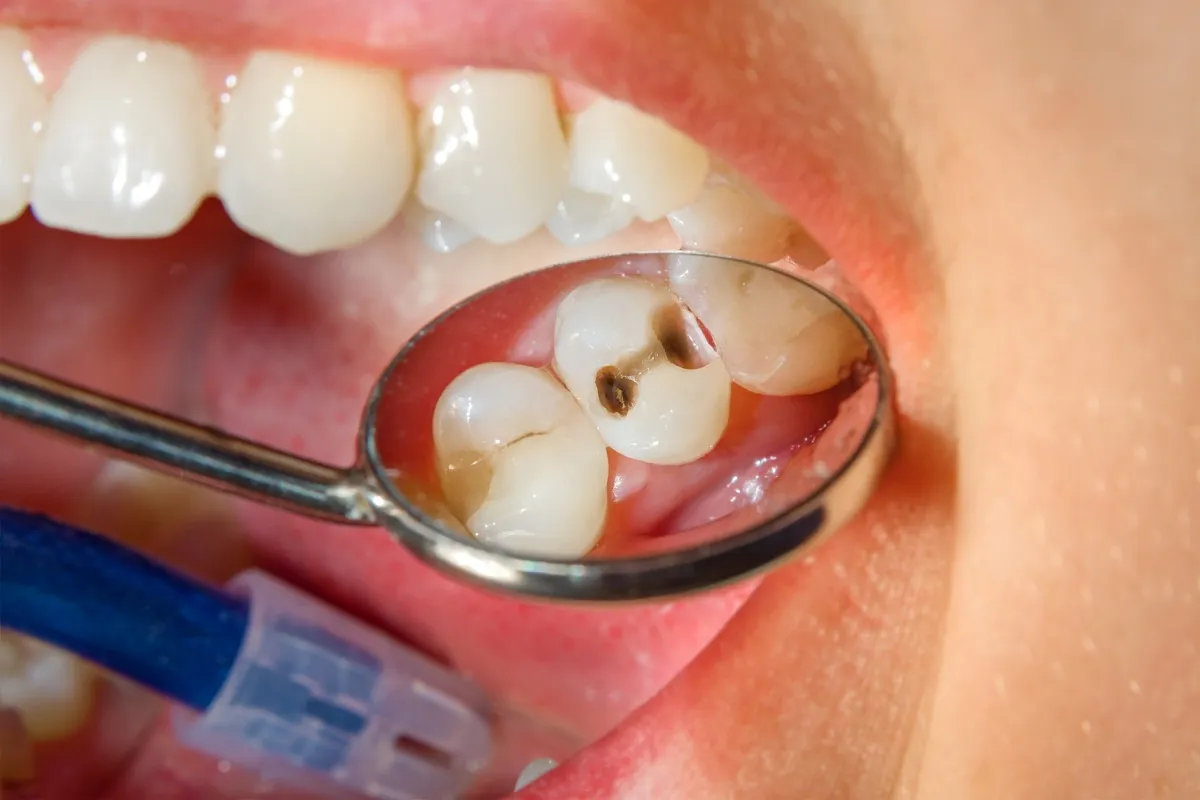
How A Cavity Can Affect Your Candidacy for Invisalign Treatment? con Invisalign?
Cavities are a common issue. They affect 57% of teens and 90% of adults over 20, according to the CDC. If you're considering clear aligners and fall into these statistics, you might be wondering how this could impact your treatment.
The cavity risk with clear aligners is a valid concern. Clear aligners can lead to cavities if not managed properly. However, maintaining good oral hygiene can help mitigate this risk. Regularly cleaning your aligners and maintaining your oral hygiene routine is essential.
Schedule a Consultation NowWondering about cavities and clear aligner treatment? Refer to our FAQ manual for more information.

If You Have A Cavity?
Managing Cavities During Aligner Treatment is crucial. You can get aligners with an open cavity. However, it's not the most optimal selection. Driving a car with a broken exhaust is like.
The health of your teeth is important. You should address any cavities first. Clear aligner therapy allows for cavity treatment.
If your Invisalign trays aren't fitting post-treatment, there's no need for concern. Replacements are usually available at a minimal cost. Remember, proper care of your teeth is a priority. So, always ensure to manage cavities undergoing Invisalign treatment.
Schedule a Consultation Now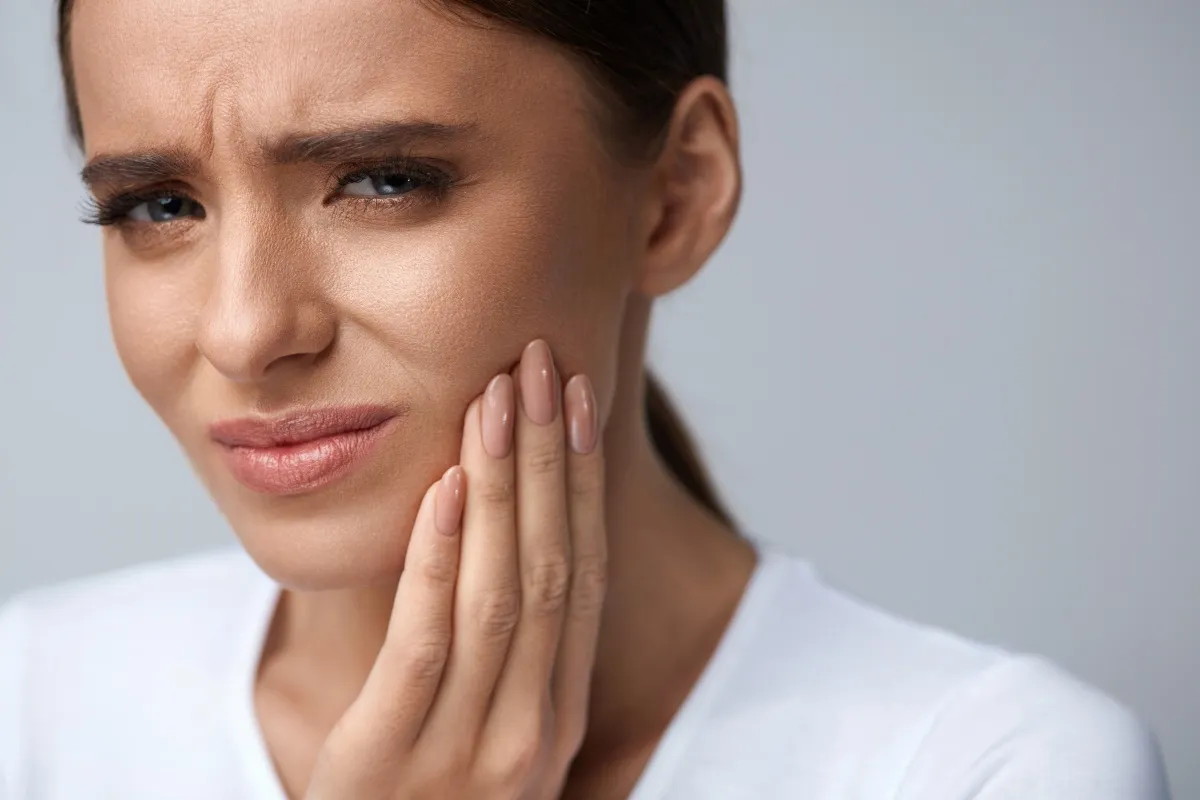
Increase Risk of Cavities? Can Aligners CAUSE Cavities?
No. Neither clear aligners , braces , or any other orthodontic treatment will directly cause cavities, nor will they directly exacerbate the risk of them happening. However, clear aligners will demand an extra level of oral hygiene diligence; even though using a trustworthy tool is important, it's even more important to utilize that tool responsibly.
Book a ConsultationCavities can be one problematic nuisance, with or without clear aligners. But that nuisance can be addressed by the “Three Cs”:
- Care
- Compliance
- Cleanliness
To protect your teeth and aligner trays, prioritize dental hygiene and cleanliness. Orthodontic appliances like aligners or braces can indirectly affect dental health, but they don't directly cause or prevent cavities. Your responsibility is key in cavity prevention.
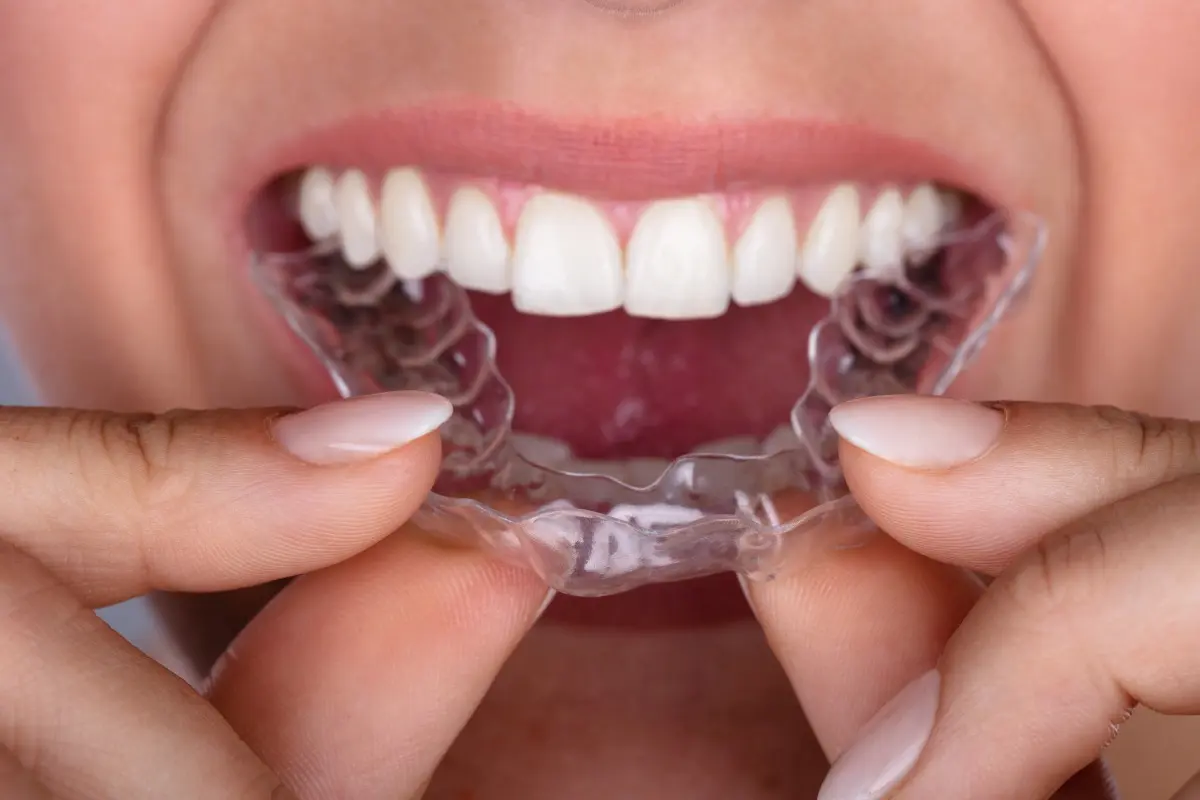
You Get A Cavity with Aligners?
Your orthodontist will address any existing open cavities before starting clear aligner therapy. But what if you develop a new cavity during treatment?
If a cavity forms during treatment, it takes priority. We need to fill or restore it right away.
If the filling changes the tooth's shape a lot, the orthodontist may have to change the treatment plan. This is to keep the original fit.
Prompt response is crucial in these situations. This includes taking new impressions or scans.
Remember, it's essential to keep your teeth and gums healthy. You should brush your teeth for at least “22 hours” a day to prevent gum disease.
Schedule your orthodontic consult today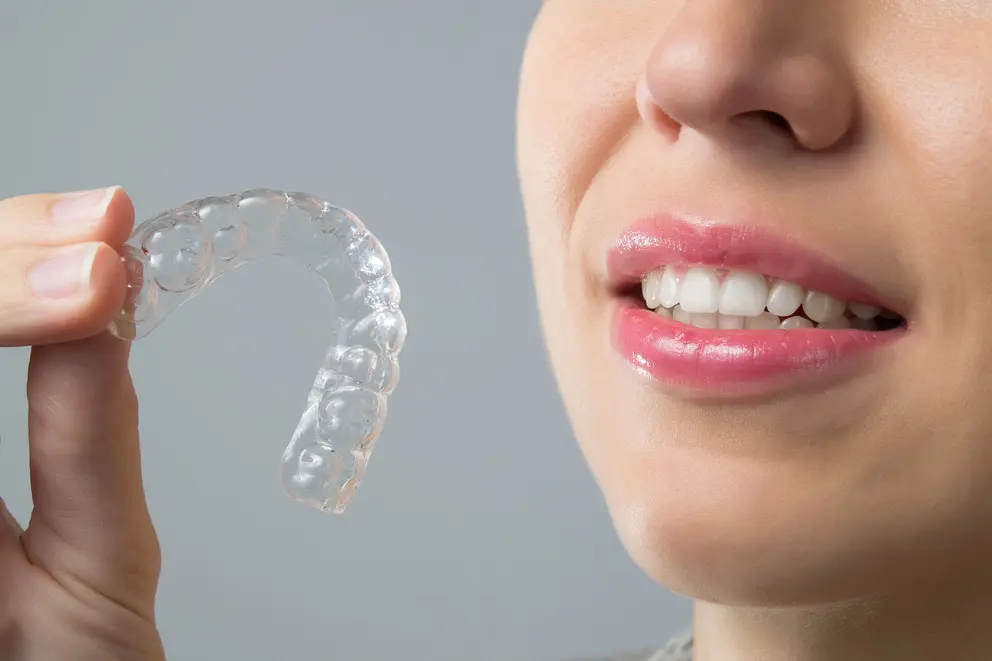
Cavities with Aligners?
Preventing cavities with aligners is no different from doing so without them. Maintaining a healthy smile is an ongoing effort. Staying committed to care, compliance, and cleanliness (the 3 C's) is key to reducing the risk of cavities.
To maintain due oral hygiene diligence, you should:
- Brush 2-3 times a day, for two minutes a day (per ADA recommendations)
- Floss each tooth, incorporating a Waterpik or interdental brush for good measure
- Gargle saltwater and/or mouthwash for at least 30 seconds to promote disinfection
Beyond those basic care routines, the following steps can also help you minimize the risk of developing cavities and tooth decay:
- Limit sugary/acidic beverages: To protect your teeth, limit or avoid sweetened coffee, tea, soda, beer, and processed juice as they can lead to prolonged wear.
- Drinking tap water: Option for tap water over bottled, as it contains enamel-strengthening fluoride. Use a Brita filter if needed for better quality.
- Stop smoking: Tobacco stains teeth and raises decay risk by receding gums. Quitting is the best way to eliminate this cavity risk.
- Limit snacking or sipping: Frequent sugary snacks not only pose cavity risks but also affect your treatment compliance. To ensure a smoother smile journey, reduce your intake of sweets.
- Switching toothpaste brand: If you're not already using a brand of toothpaste that contains fluoride, then you should switch to one that does.
- Brushing your tongue: Billions of mouth harmful bacteria can use your tongue as a breeding ground. To reduce bacterial buildup, remember to brush your tongue.
- Regular dental visits: Don’t neglect getting your regular deeper cleaning from your dentist, at least once every six months.
If cavities appear while using aligners, seek help from your dentist or orthodontist. They can provide additional assistance and potential remedies.
Aligners are not the only option for straightening your teeth. Traditional metal braces, ceramic braces, and lingual braces are alternatives. These use wires and brackets to align your teeth. Regardless of the method you choose, maintaining dental care is crucial.
Read More On Invisalign
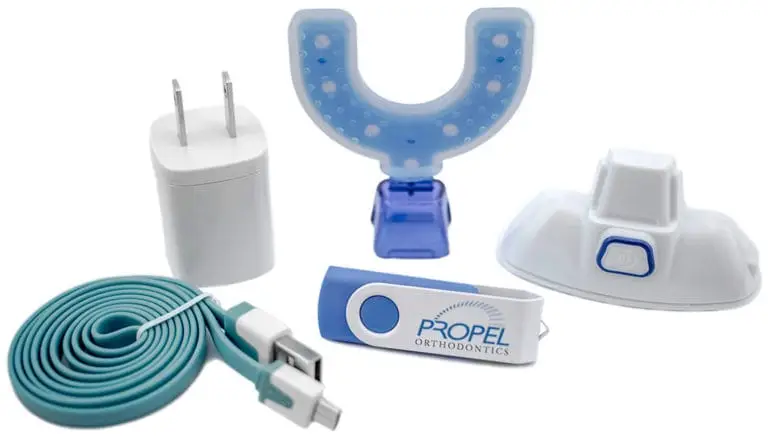
Accelerated Invisalign – Propel’s VPro5
Diamond Braces is happy to offer its patients VPro5 by Propel Invisalign, the latest tool that helps to straighten your teeth quicker.
Read More About Propel’s VPro5Can You Get Clear Aligners with Wisdom Teeth?
In many cases, patients can still be viable candidates for removable clear aligners with veneers, bridges, crowns, or other dental restorations.
Read More About Clear Aligners with Wisdom Teeth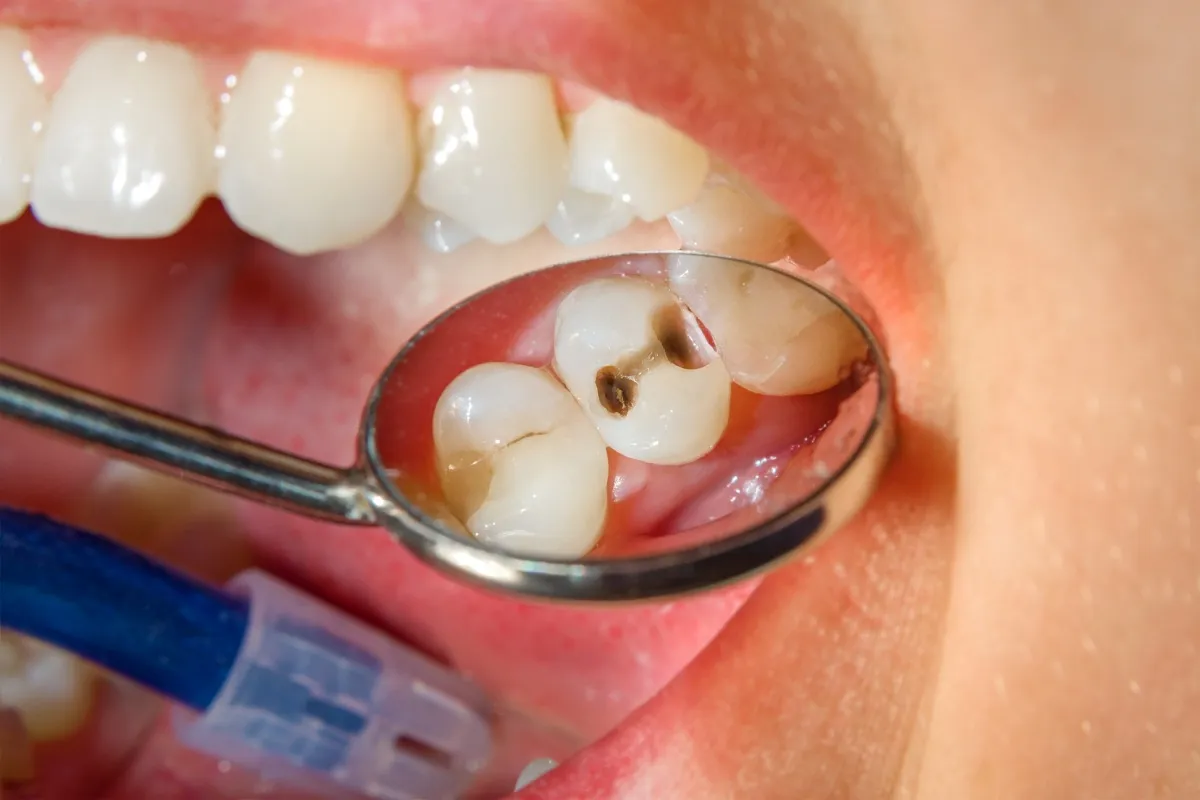
Can You Wear Aligners with Cavities? A Comprehensive FAQ Guide
Cavities are among the most common oral health problems from which patients will suffer. According to CDC estimates, around 57% of adolescents suffer from cavities, and 90% of adults aged 20 and older have at least one cavity.
Read More About Wear Aligners with CavitiesCan You Wear Invisalign Aligners with Cavities? A Comprehensive FAQ Guide
Cavities are among the most common oral health problems from which patients will suffer. According to CDC estimates, around 57% of adolescents suffer from cavities, and 90% of adults aged 20 and older have at least one cavity.
Read More About Wear Invisalign Aligners with CavitiesCan You Wear Invisalign Aligners With Dental Restorations?
If you’re considering wearing Invisalign clear aligners to treat your malocclusions, but have oral restorations like crowns, implants, veneers, or bridges, you might be wondering if you’re even capable of wearing them in the first place. After all,
Read More About Wear Invisalign Aligners With Dental Restorations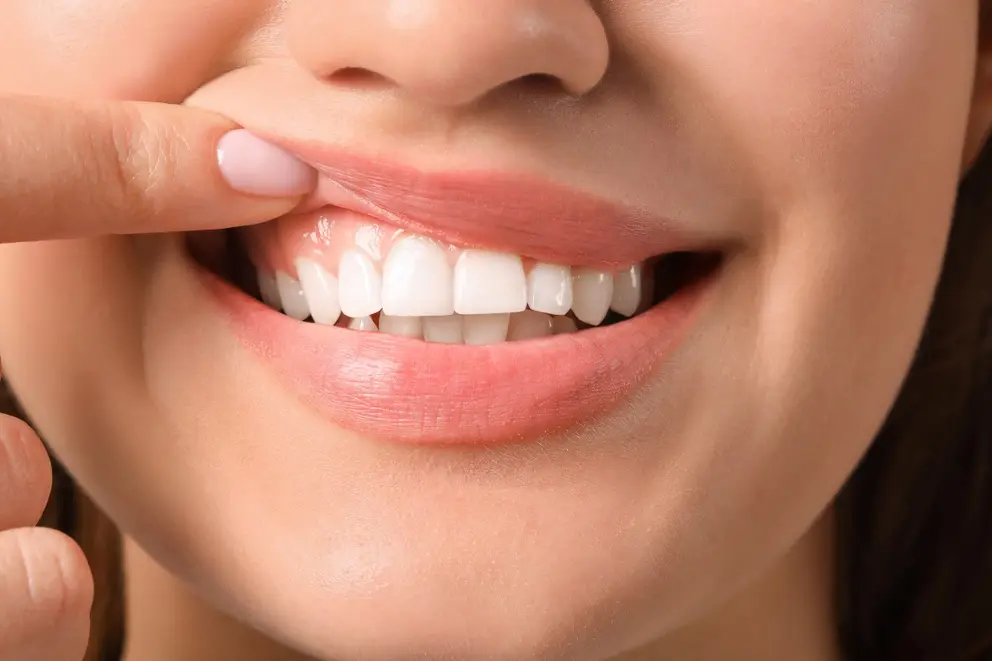
Clear Aligners and Gum Recession: A Comprehensive FAQ Guide
One of the big perks of removable clear aligners for many patients is the gentler relationship between the appliance and their teeth.
Read More About Clear Aligners and Gum RecessionClear Aligner Discomfort Guide: Cuts, Sores, Pains, and More
As a clear aligner patient, you might incorrectly assume that your appliances are less injury averse than braces. After all, you don’t have a wire and brackets constantly affixed to your teeth that you’re constantly concerned about maintaining
Read More About Clear Aligner Discomfort GuideClear Aligner Storage Dos and Don’ts
Since clear aligners are removable, you may assume that removability means less maintenance than fixed appliances.
Read More About Clear Aligner Storage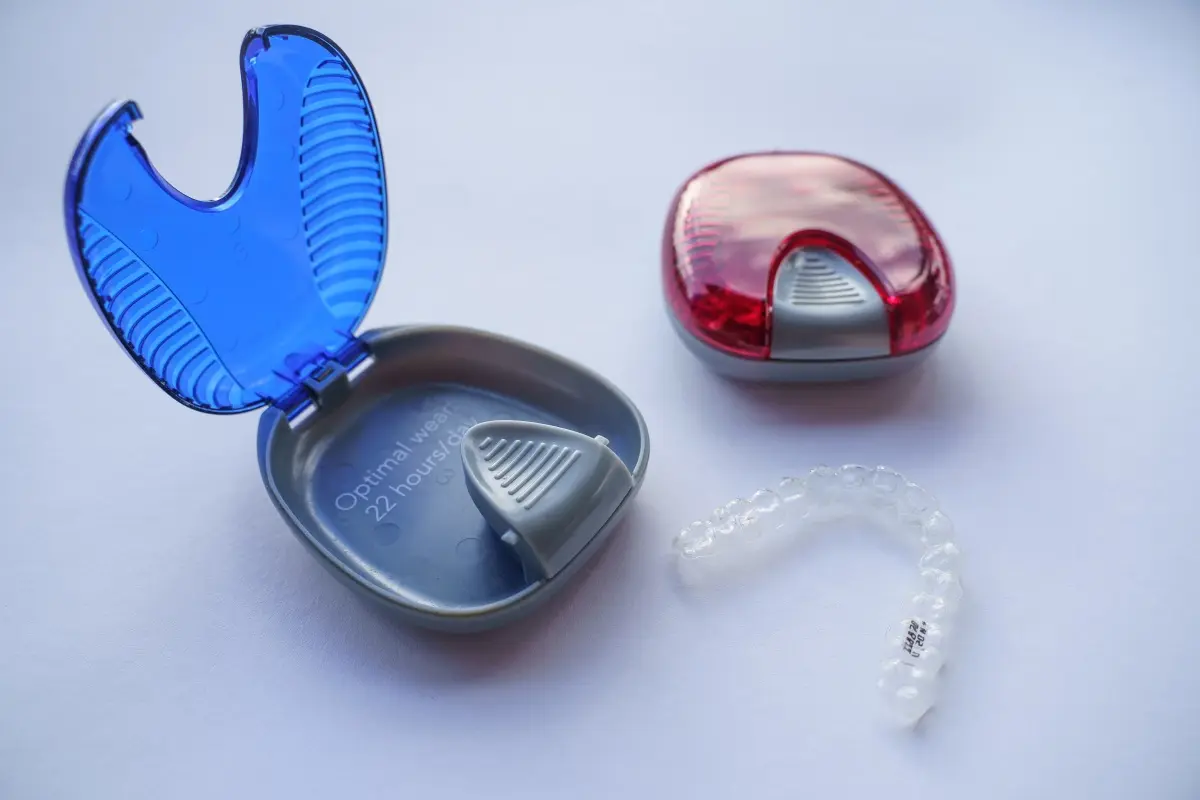
Clear Aligner Storage Dos and Don’ts
Since clear aligners are removable, you may assume that removability means less maintenance than fixed appliances.
Read More About Storing Your Clear AlignersClear Aligners Not Tracking? Here’s Why, And Here’s How to Fix That
One exciting privilege of wearing clear aligners is the ability to watch your results progress from a transparent, crystal clear vantage point. It can be a wonderful thing to watch your smile gradually straighten into the dream symmetrical alignment of your desires.
Read More About Clear Aligners Not Tracking
Clear Aligner Discomfort Guide: Cuts, Sores, Pains, and More
As a clear aligner patient, you might incorrectly assume that your appliances are less injury averse than braces. After all, you don’t have a wire and brackets constantly affixed to your teeth that you’re constantly concerned about maintaining.
Read More About Clear Aligner Discomfort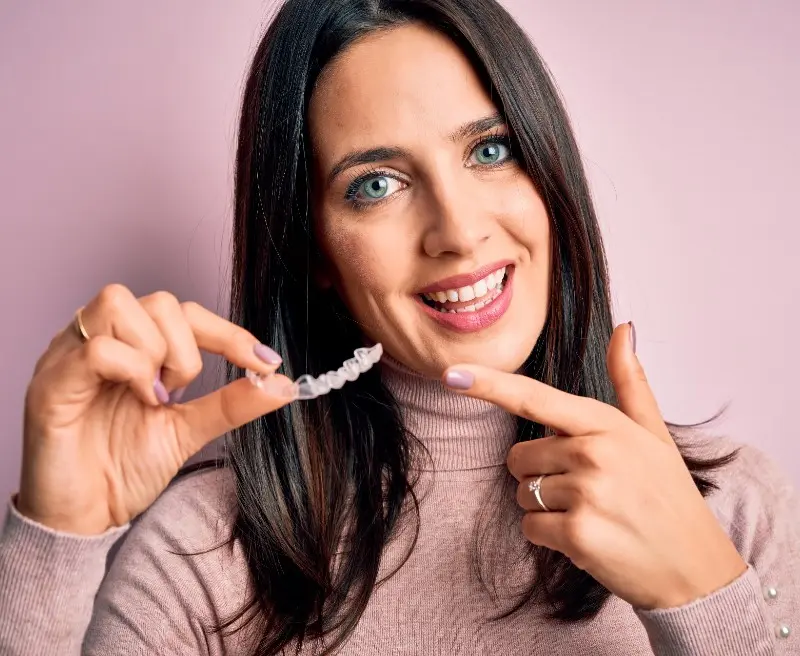
Do Clear Aligners Give You A Lisp?
If you’re a new clear aligner patient, there’s a chance you may notice some emergent slurring and lisping issues you didn’t have to deal with before. Fortunately, these issues are extremely treatable, and often, reversible.
Read More About Clear Aligners Give You A Lisp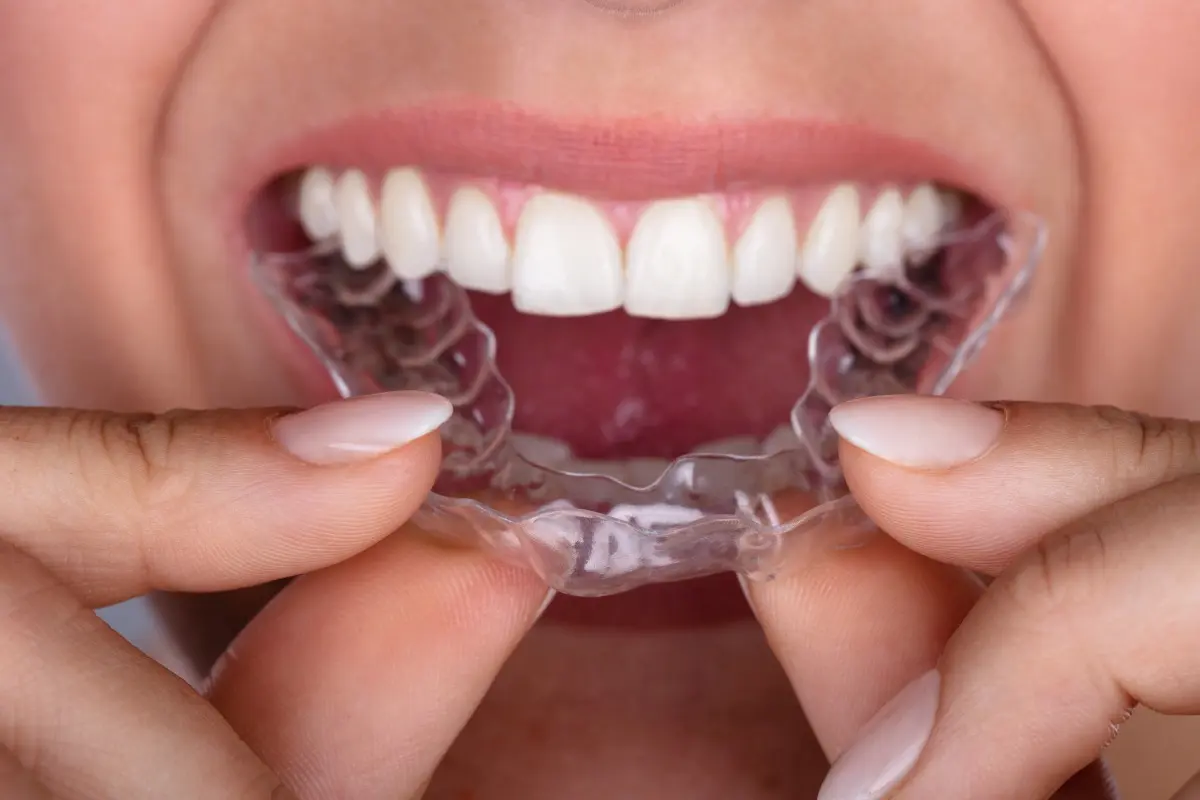
Can You Wear Invisalign Aligners With Dental Restorations?
If you’re considering wearing Invisalign clear aligners to treat your malocclusions, but have oral restorations like crowns, implants, veneers, or bridges, you might be wondering if you’re even capable of wearing them in the first place.
Read More About Wear Invisalign AlignersWhat Do Invisalign Aligners Treat?
Experienced orthodontists use the Invisalign™ system as a treatment tool for many orthodontic problems.
Read More About Invisalign Aligners TreatWhat Insurance Plans Cover Invisalign Treatment in NY and NJ?
Invisalign clear aligners offer many potential perks that could appeal to patients over traditional metal braces or ceramic braces. Unlike other orthodontic appliances, Invisalign clear aligners can be
Read More About Insurance Plans Cover
Clear Aligners Not Tracking? Here’s Why, And Here’s How to Fix That
One exciting privilege of wearing clear aligners is the ability to watch your results progress from a transparent, crystal clear vantage point. It can be a wonderful thing to watch your smile gradually straighten into the dream symmetrical alignment of your desires
Read More About Clear Aligners Not TrackingWho Is A Good Candidate for Invisalign Treatment, And Who Isn’t?
Invisalign clear aligners may offer more appealing and alluring perks to orthodontic patients, including
Read More About Good Candidate for InvisalignWhich is Right for Your Smile?
SureSmile vs. Invisalign Treatment: Which is Right for Your Smile?
Read More About Which is Right for Your Smile
Purchasing Related FAQ on Invisalign.
Are you intrigued by the idea of achieving a beautifully aligned smile with the discreet and innovative approach of Invisalign? Our comprehensive guide, "Purchasing Related FAQ on Invisalign," is your go-to resource for answers to the most frequently asked questions about acquiring Invisalign clear aligners.
Read More About Purchasing Related FAQ on Invisalign
Age Related FAQ on Invisalign.
Curious about whether Invisalign clear aligners are suitable for you or a loved one, regardless of age? Look no further than our comprehensive guide, "Age-Related FAQ on Invisalign," designed to address the most common questions and concerns about pursuing Invisalign treatment at any stage of life.
Read More About Age Related FAQ on Invisalign
Food Related FAQ on Invisalign.
Navigating the world of orthodontics with Invisalign clear aligners while savoring your favorite foods is easier than you think. Our comprehensive guide, "Food-Related FAQ on Invisalign," has been curated to answer your most pressing questions and provide practical insights on how to enjoy a diverse and satisfying diet during your Invisalign journey.
Read More About Food Related FAQ on Invisalign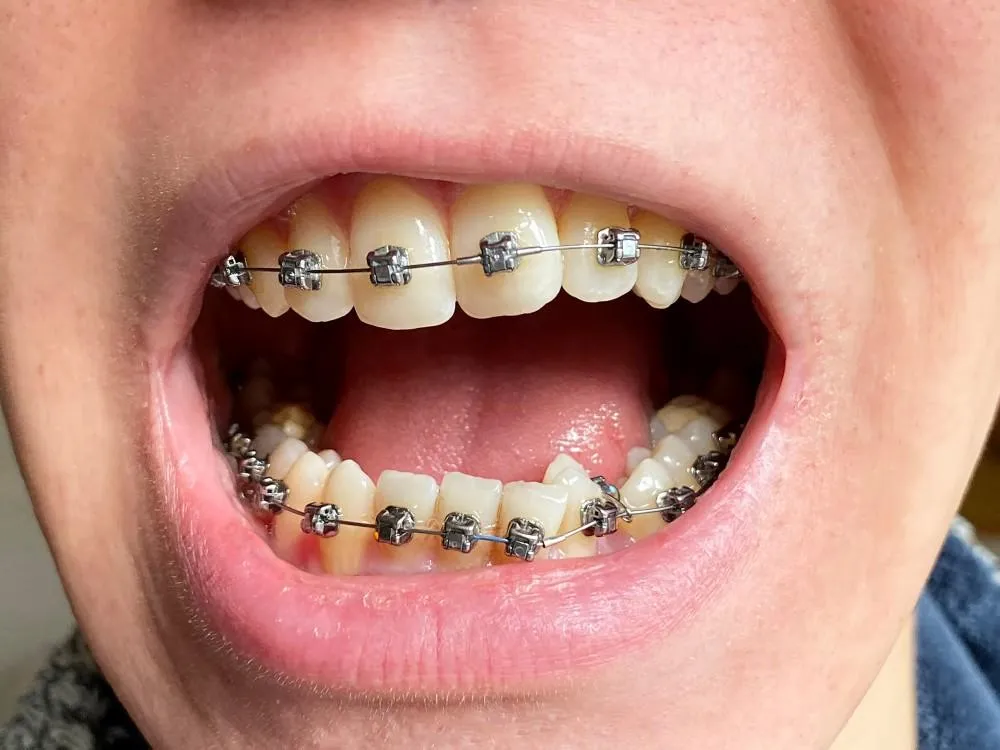
Effective Methods for Treating Open Bite Issues
They are a popular and affordable way to correct an open bite. They are an effective choice for many people.
Read More About Treating Open Bite Issues
Effective Dental Crowding Treatment Options
Dental crowding, which causes pain, discomfort, and embarrassment, needs attention. If ignored, it can lead to serious health issues.
Read More About Dental Crowding Treatment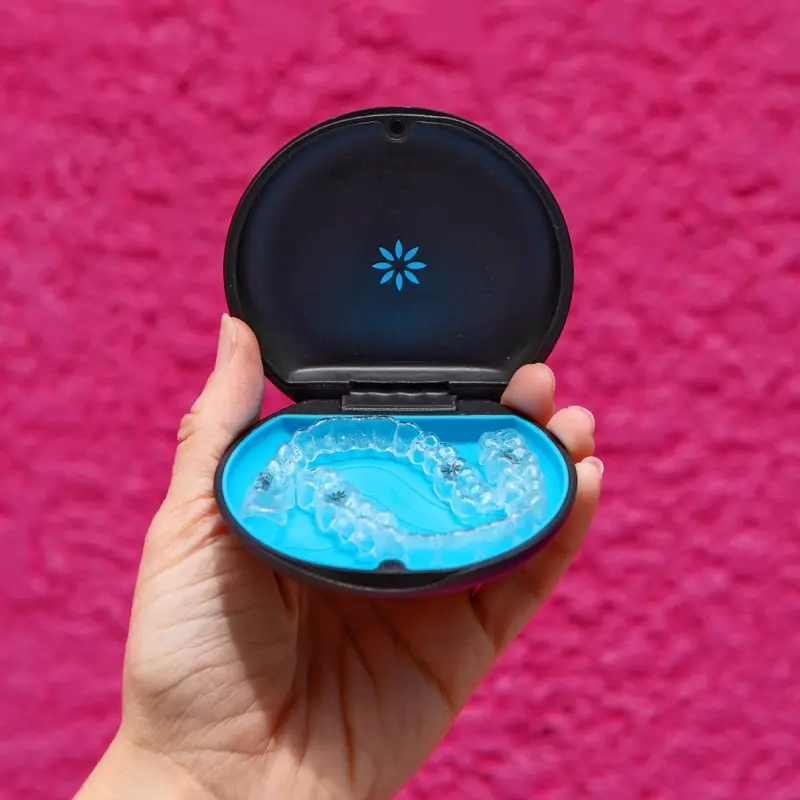
Comprehensive Guide to Overbite Treatment
Overbites are common and well-studied. They can be effectively treated by a licensed orthodontist. Orthodontists undergo extensive training to straighten your teeth. Their expertise is crucial for safe and successful treatment options.
Read More About Guide to Overbite Treatment
Are Impacted Teeth Bad for Your Health?
It is important to treat impacted teeth because leaving them alone can have serious consequences for your other teeth, as well as your overall health.
Read More About Impacted Teeth
The Significance of Braces, Invisalign, Surgery, & Retainers
Expert orthodontists use metal and ceramic braces to treat overjets with excellent results.
Read More About Braces, Invisalign, Surgery, & Retainers
Effective Treatment Options for Correcting Crossbite
Orthodontic treatment for crossbites can effectively address your concerns.
Read More About Correcting Crossbite
Exploring Dental Coverage and Invisalign Options
If your family is enrolled in UnitedHealthOne dental primary plans, there may be benefits for your children. These plans often include orthodontic coverage.
Read More About Dental Coverage and Invisalign Options
Cost-Effective Invisalign Tips & Alternatives
When using the tool, uncheck “general dentists” and leave only “orthodontists.” Orthodontists are more experienced in moving teeth and offer lower prices for orthodontic treatment. They may also offer lifetime smile guarantees.
Read More About Cost Effective Invisalign Tips
Mail-Order Aligners vs. Invisalign: You Need to Know
Mail-order aligners often promise straight teeth in 6 months, but this mainly applies to simple cases. For more complex dental conditions, achieving straight teeth can take longer.
Read More About aligner comparison
Clear Aligner Care: Dos and Don'ts
Storing clear aligners properly is important. When they are left out carelessly, many issues can arise. They can get lost, stolen, stepped on, or even contaminated.
Read More About Clear Aligner Care
Avoid Common Mistakes with Clear Aligners
Storing clear aligners properly is crucial. When you leave them out, they can easily be lost, stolen, or stepped on.
Read More About Mistakes with Clear Aligners
Exclusive Invisalign Technology by Expert Doctors
When you choose an experienced Invisalign doctor, you gain access to patented technology and materials that only orthodontists providing Invisalign therapy can use.
Read More About Invisalign Technology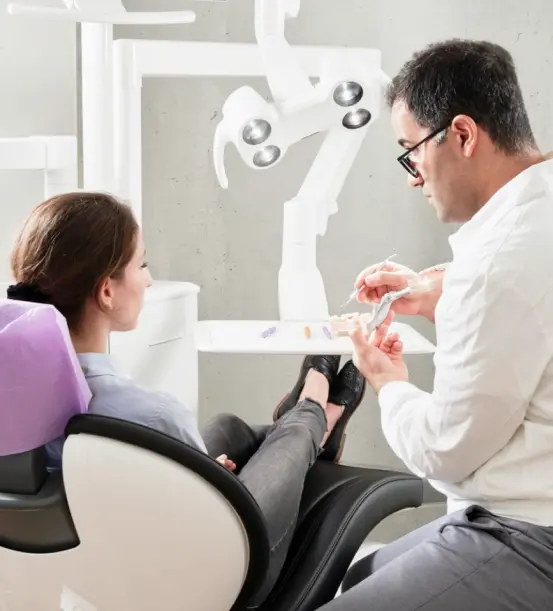
Frequently Asked Question on Invisalign Attachments
Keep your Invisalign attachments on during your orthodontic treatment, but you can take them off for important events like weddings or religious ceremonies.
Read More About Invisalign Attachments FAQs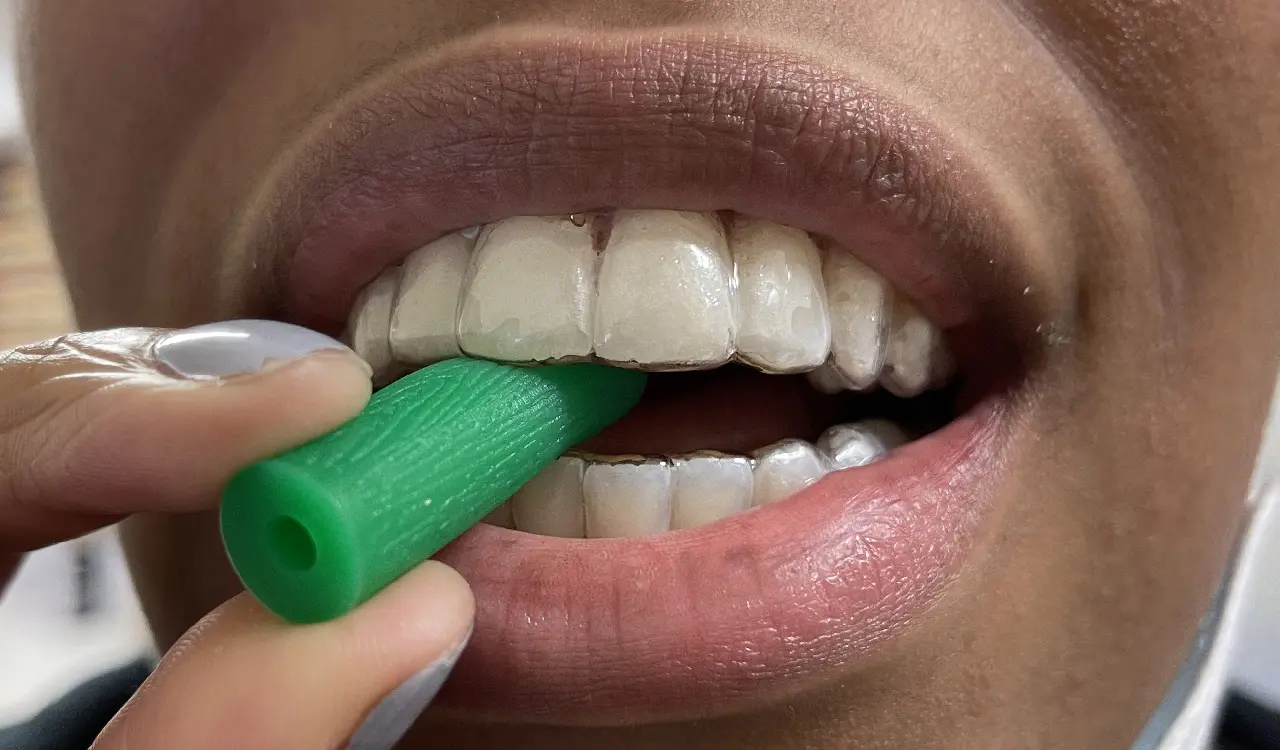
All About Invisalign: Chewies, Vivera, Treatment & Care
Invisalign chewies are a handy tool for improving your aligners' fit. They're made of soft, non-edible material. Simply chew them for 5-10 minutes daily to get the best results with your aligners.
Read More About All About Invisalign
Orthodontic Insurance Options: Invisalign & More
The UnitedHealthOne orthodontic coverage for children" is available under certain dental insurance plans. This coverage helps pay for orthodontic treatments like braces for kids under 19 years old.
Read More About Orthodontic Insurance Options
Is SmartTrack Material BPA-Free?
Yes, The SmartTrack material is BPA-free, ensuring a safer and healthier option. BPA, which stands for Bisphenol-A, is a chemical typically present in some plastics.
Read More About SmartTrack Material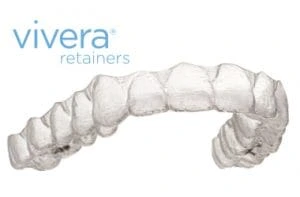
Vivera Retainers: Cost, Durability, and Care
Vivera retainers offer an affordable vivera retainer cost, ranging from $800 to $1,500. This price includes four sets of top-and-bottom retainers, totaling eight retainers.
Read More About Vivera Retainers
Get Invisalign in NYC at Diamond Braces
You can start Invisalign treatment at Diamond Braces in NYC! Diamond Braces is a Diamond Plus Invisalign provider, meaning we’re in the top 1% of all Invisalign providers in the country!
Read More About Get Invisalign in NYC
Optimal Duration: How Long to Wear Retainers Daily?
When you first get your braces off or finish your clear aligner treatment, your orthodontist will provide instructions for retainer wear.
Read More About How Long to Wear Retainers Daily